
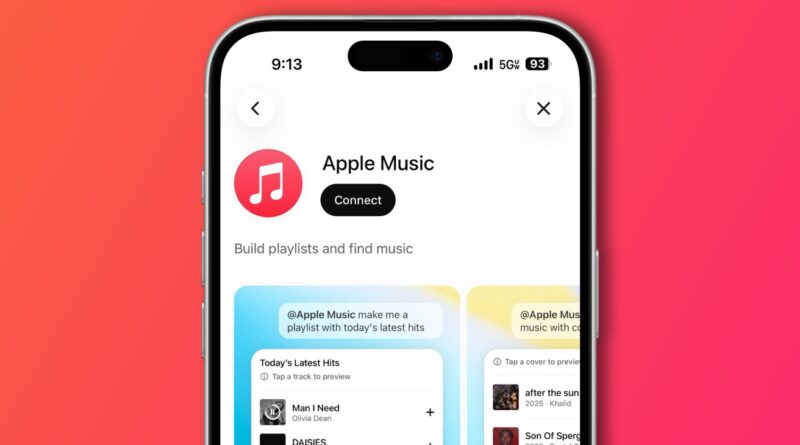
How to use ChatGPT with Apple Music when search is short
ChatGPT now supports Apple Music, giving subscribers a new way to discover and save music through conversation. Here’s how to connect it, start using it, where ChatGPT is better, and where Apple Music search is better.
OpenAI recently added Apple Music support to its ChatGPT app, filling a gap that Apple Music has struggled with for years. The integration works best when you know the kind of music you want, but Apple Search can’t quite follow your thinking.
Apple Music is fast and reliable once you know what you’re looking for. It is less helpful when discovery begins with a mood, a vague memory, or an ill-defined idea.
In these cases, ChatGPT will do a better job of shaping the request before playback begins.
Why using ChatGPT with Apple Music can help
Apple Music search is based on keywords, artists and exact matches. This works well for direct queries, but often breaks down when you’re searching by feel, tone, or loosely defined influences.
ChatGPT handles these obscure challenges more elegantly. Asking for something like laid back electronic music for late nights or alternative rock that avoids heavier grunge tends to return usable results without much back and forth.
You will need a ChatGPT account on the website or iOS app to use this feature. Don’t forget to connect Apple Music before you start searching or saving.
An active Apple Music subscription is required to add songs or playlists to your library. Without a subscription, you can still browse results and play previews, but the experience is limited.
How connecting Apple Music to ChatGPT works
- Open ChatGPT on iOS or on the web when you’re signed in.
- Open the Apps directory from the chat interface.
- Select Apple Music from the list of available applications.
- Sign in with your Apple ID on call.
- Approve access for searches and library events.
- Return to chat and start searching for Apple Music.
Permissions are intentionally limited. ChatGPT can search for music and save it to your library, while Apple Music continues to handle playback, downloads, and listening history.
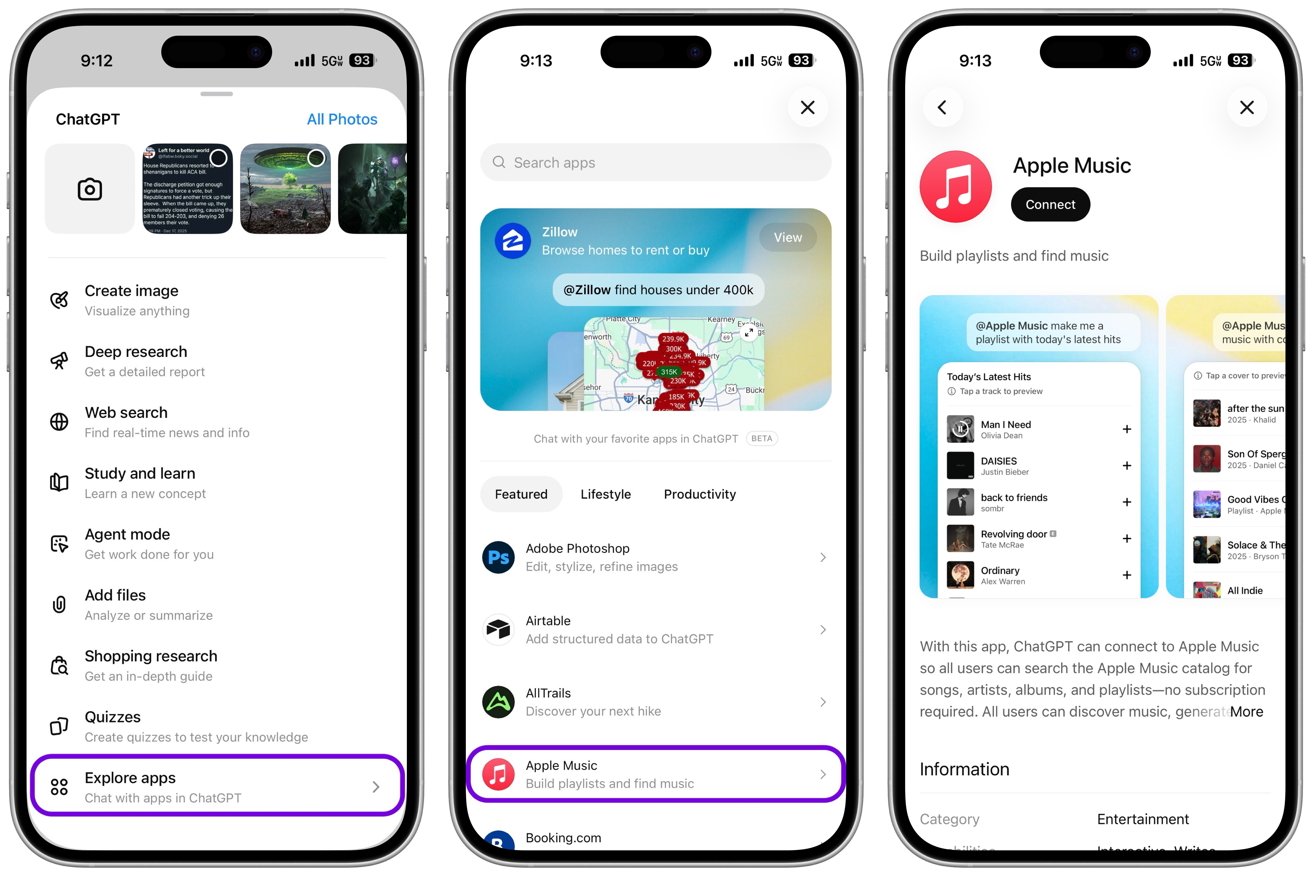
How connecting Apple Music to ChatGPT works
Once you’re connected, searching doesn’t feel like filling out a form, but more like describing what you want to hear. You can refine the results by adding context, changing the tone, or narrowing the period without restarting the search.
ChatGPT cannot see your Apple Music library, playlists, or listening history because its access is limited to the public Apple Music catalog. This means they can search for artists, albums, songs, and editorial playlists, but they can’t view or edit anything associated with a user account.
Where integration works best
Creating playlists is where the integration makes the most sense. ChatGPT can take an idea and turn it into a complete playlist in seconds, then save it directly to your library.
Rediscovery is another strength, especially when searching by era, genre, or influence. These prompts often surface artists you’ve forgotten about but still enjoy.
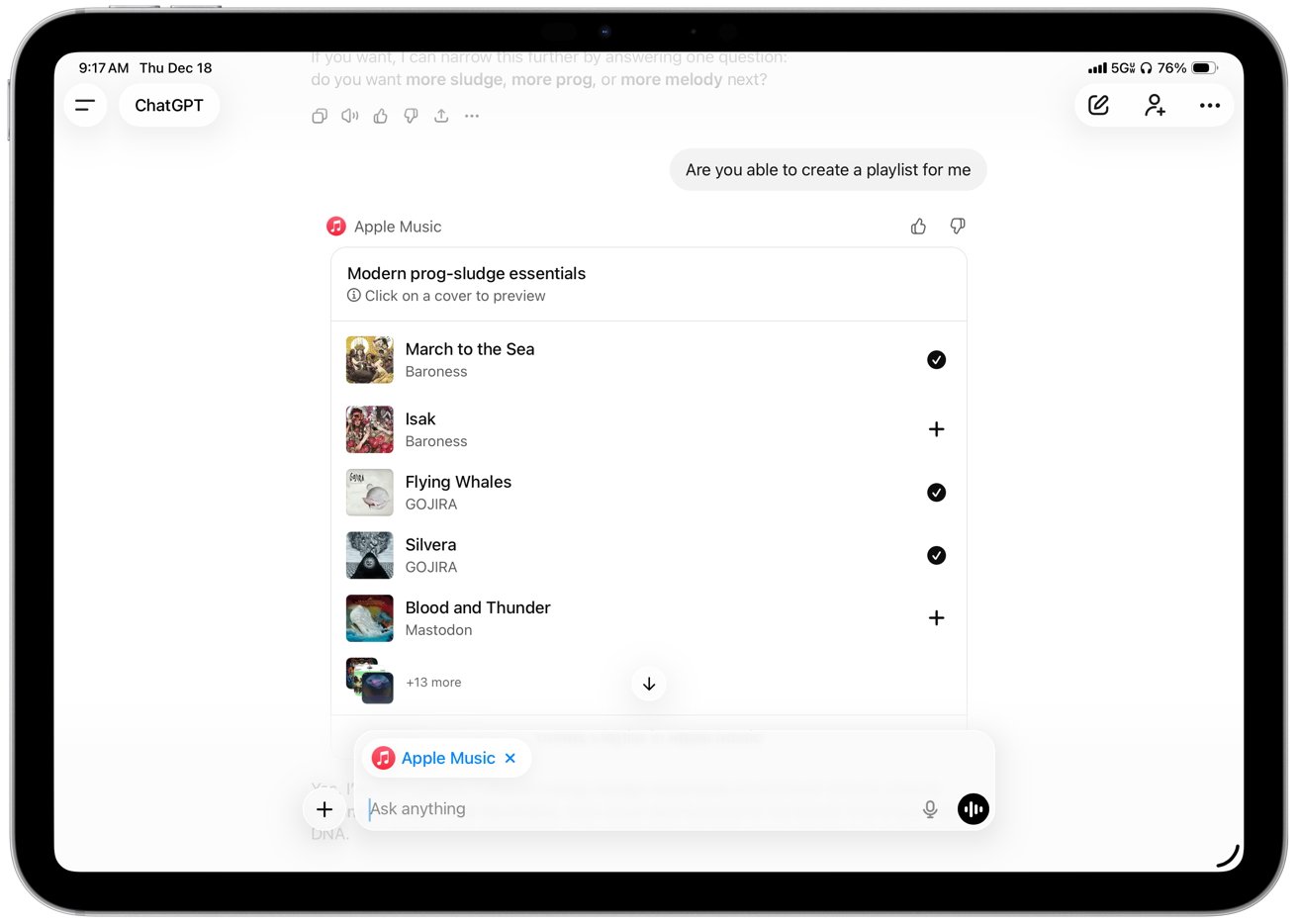
ChatGPT’s flexibility speeds up discovery, especially when creating playlists
Editing playlists still works better in Apple Music. ChatGPT is good at getting you most of the way there, but the finishing touches happen elsewhere.
Examples of searches that work well in Apple Music
Searching for Apple Music works best when requests are specific and to the point. It reliably deals with artists, genres, time periods, titles and well-defined categories, where results can be compared directly with catalog metadata.
- “2000’s Alternative Rock.”
- “90s Electronic Music.”
- “Live Albums by Pearl Jam.”
- “Hip-hop instrumental.”
- “Jazz Piano Trios.”
- “Soundtracks by Hans Zimmer.”
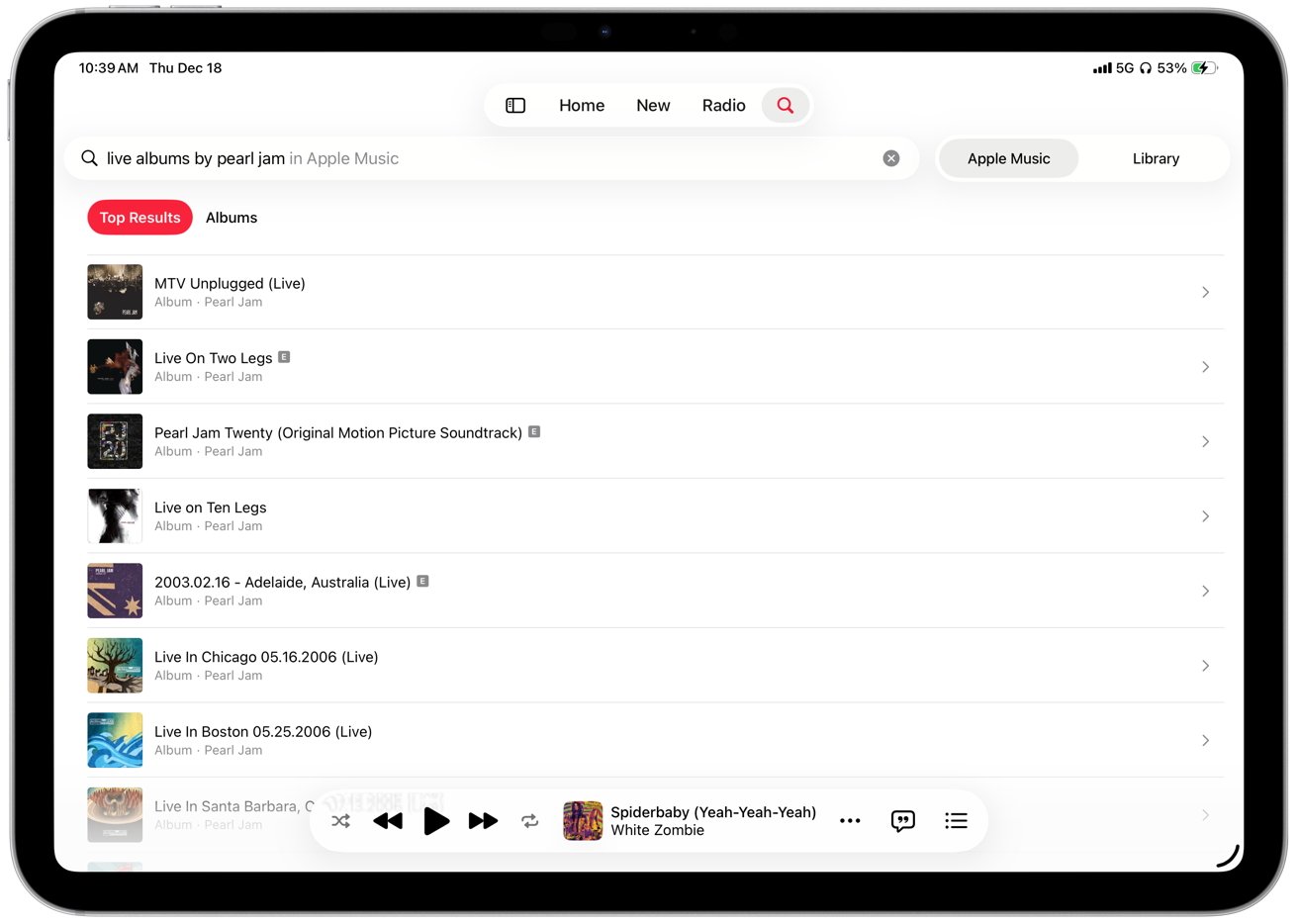
Apple Music’s search function requires multiple direct inputs
Because these searches map purely to known data points, Apple Music will usually return usable results on the first try. Discovery breaks down when queries rely on mood, pace, or subjective language rather than identifiable catalog attributes.
Examples of prompts that work better with ChatGPT
- “Modern metal like Baroness, Gojira and Mastodon, but more melodic than brutal.”
- “Heavy music with long songs and atmosphere, not speed or blast beats.”
- “2000s alternative rock that isn’t pop-punk or post-grunge.”
- “Late night electronic music that is calm, minimal and not dance oriented.”
- “Make me a playlist that starts hard and slowly gets more melodic.”
These challenges usually produce usable results on the first try. You can then adjust the tone, era, or intensity without having to re-enter artist names.
ChatGPT can also explain why certain artists match your request, helping to narrow things down further. Once the playlist looks right, it can be saved directly to Apple Music, where playback and editing continue as normal.
The integration works best for people who frequently create playlists and are frustrated by rigid search tools. Whether this becomes a habit or remains occasional will depend on how far Apple takes it.